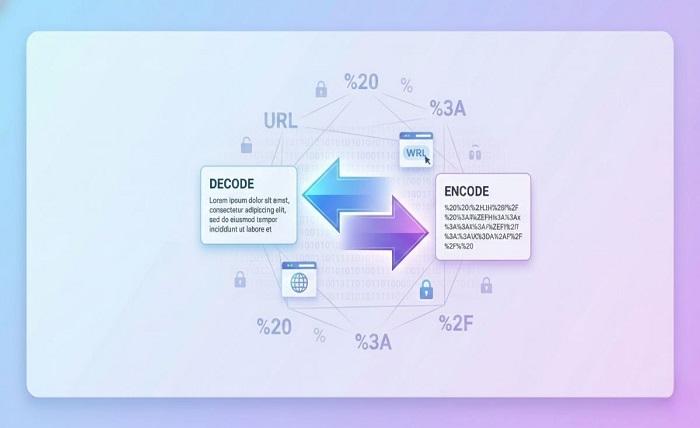
The term url encoder and decoder spellmistake refers to errors or typos that occur when encoding or decoding URLs, often leading to broken links or incorrect data interpretation. When developers or users input incorrect characters or misspell encoded values, the system may fail to properly process the URL. Understanding url encoder and decoder spellmistake is crucial because even a small mistake in encoding can result in inaccessible web pages or faulty API requests.
Why Does URL Encoder and Decoder SpellMistake Happen?
There are several reasons why a url encoder and decoder spellmistake might occur, including human error, incorrect tool usage, or misunderstanding of encoding rules. For instance, typing spaces instead of using “%20” or incorrectly encoding special characters like “&” or “=” can lead to issues. Another common cause of url encoder and decoder spellmistake is copying and pasting URLs without verifying their encoded format, which can introduce hidden errors.
How URL Encoding and Decoding Works
To avoid a url encoder and decoder spellmistake, it’s important to understand how the process works. URL encoding converts unsafe ASCII characters into a format that can be transmitted over the internet, replacing them with a “%” followed by hexadecimal values. Decoding reverses this process back into readable text. When a url encoder and decoder spellmistake occurs, it usually means that this conversion process has been interrupted or done incorrectly, leading to mismatched or unreadable data.
Common Examples of URL Encoder and Decoder SpellMistake
A typical url encoder and decoder spellmistake includes errors like writing “%2G” instead of “%20” for a space or forgetting to encode reserved characters such as “#” or “?”. Another example of url encoder and decoder spellmistake is double encoding, where a value is encoded more than once, resulting in strings like “%2520” instead of “%20”. These mistakes can cause URLs to behave unexpectedly or fail altogether.
Best Tools to Avoid URL Encoder and Decoder SpellMistake
Using reliable tools is one of the best ways to prevent a url encoder and decoder spellmistake. Online utilities, browser extensions, and programming libraries can automatically handle encoding and decoding accurately. Popular tools help minimize the risk of url encoder and decoder spellmistake by validating input and ensuring proper formatting. Developers often rely on built-in functions in languages like JavaScript or Python to eliminate manual errors.
Tips to Prevent URL Encoder and Decoder SpellMistake
Preventing a url encoder and decoder spellmistake requires attention to detail and good practices. Always double-check encoded URLs before using them, avoid manual encoding when possible, and use trusted libraries. Another effective way to reduce url encoder and decoder spellmistake is by testing URLs in different browsers and environments to ensure they function correctly. Keeping a reference of common encoded characters can also help avoid confusion.
Impact of URL Encoder and Decoder SpellMistake on SEO and Web Performance
A url encoder and decoder spellmistake can significantly affect SEO and website performance. Broken or improperly encoded URLs can lead to crawl errors, reducing a site’s visibility on search engines. Additionally, a url encoder and decoder spellmistake can harm user experience by causing links to fail or display incorrect content. Ensuring proper encoding is essential for maintaining a smooth and professional web presence.
How to Fix URL Encoder and Decoder SpellMistake Quickly
Fixing a url encoder and decoder spellmistake involves identifying the incorrect part of the URL and re-encoding it correctly. Start by decoding the URL to locate the error, then encode it again using a reliable tool. Many platforms provide debugging features that can help detect a url encoder and decoder spellmistake instantly. Regular testing and validation are key to resolving these issues efficiently.
Conclusion
In conclusion, understanding and avoiding a url encoder and decoder spellmistake is essential for anyone working with web technologies. From preventing broken links to improving SEO, proper URL encoding ensures seamless communication between browsers and servers. By using the right tools, following best practices, and staying vigilant, you can eliminate the risk of a url encoder and decoder spellmistake and maintain a reliable online presence.
FAQs
1. What is a URL encoder and decoder spellmistake?
A url encoder and decoder spellmistake is an error that occurs when encoding or decoding a URL incorrectly, leading to broken or unreadable links.
2. How can I avoid URL encoder and decoder spellmistake?
You can avoid a url encoder and decoder spellmistake by using trusted tools, double-checking URLs, and avoiding manual encoding.
3. Why is URL encoding important?
Proper encoding prevents errors and ensures that URLs are correctly interpreted, reducing the chances of a url encoder and decoder spellmistake.
4. Can URL encoder and decoder spellmistake affect SEO?
Yes, a url encoder and decoder spellmistake can lead to broken links and crawl errors, negatively impacting SEO performance.
5. Which tools help fix URL encoder and decoder spellmistake?
Online encoders, browser tools, and programming libraries can help detect and fix a url encoder and decoder spellmistake efficiently.