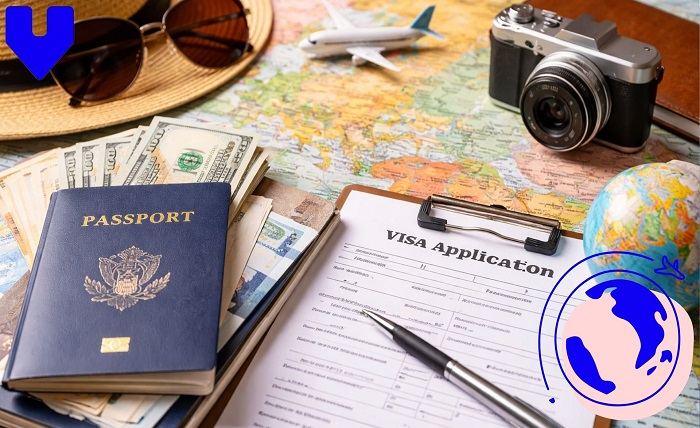
Travel planning often feels glamorous until paperwork turns it into a tense, bureaucratic obstacle course. Flights and hotels can be changed with a few clicks; identity documents cannot. The risk is rarely dramatic fraud or exotic edge cases—it’s ordinary delays, overlooked rules, and mismatched details that quietly escalate into a costly “Oh no.”
If you’ve ever watched a deadline creep closer while you hesitated—or caught yourself clicking royal roulette online mid-sentence while waiting for a slow website to load—you already understand the psychology of uncertainty: people postpone actions when outcomes feel opaque. Document prep punishes that instinct. The cure is an intentionally early timeline that treats paperwork as a system, not a chore.
Why Document Timelines Go Sideways
Most document failures come from a few predictable patterns:
- Hidden validity rules: Many destinations expect passports to be valid beyond your return date (often by months) and to have adequate blank pages.
- Name and data mismatches: One extra character, missing middle name, or inconsistent transliteration can derail check-in, boarding, or visa issuance.
- Sequencing errors: You can’t apply for some visas without confirmed details, and you can’t confirm details without having the right documents first.
- Bottleneck dependence: Appointments, biometrics, background checks, and mail delivery all introduce external timelines you don’t control.
Your strategy should be boring and disciplined: inventory, triage, apply early, and build buffers.
Day 0: The Document Inventory You Actually Need
Start today with a simple audit. Gather or locate:
- Passport(s), including any old passports that contain relevant visas or travel history
- National ID (if applicable), driver’s license, and any residency cards
- Birth certificate or equivalent civil record (sometimes requested for visas or minors)
- Marriage/divorce name-change records (if your current name differs from older documents)
- Proof of accommodation/itinerary placeholders (even if flexible)
- Proof of funds or employment (common in visa processes)
- Travel insurance confirmation (some destinations require it)
- Consent letters for minors traveling with one parent/guardian, if relevant
- Medical documents needed for medication carriage (prescriptions, doctor letters)
Then create two backups: one encrypted digital set and one printed set. Keep backups separate from originals.
Within 48 Hours: Run the “Mismatch and Expiry” Triage
Do a fast, ruthless check of the three most common failure points:
- Passport expiry: Compare expiration date to the end of your trip and allow a generous safety margin. If it’s close, treat it as expiring too soon.
- Name consistency: Ensure the name on your passport matches what you will use for booking transport and lodging. If you have multiple spellings across documents, choose one standard and stick to it.
- Document condition: Damaged passports, loose pages, water damage, or unreadable data can trigger rejection.
If any of these look questionable, assume you need action now—not later.
The “Oh No” Timeline: What to Do, and When
Think in reverse from your departure date. Your goal is to avoid being forced into expensive expedited processing.
3–6 Months Out: Passport Renewal or Replacement
This is the safest window for passport issues because it leaves room for errors, resubmissions, and delivery delays.
- Renew early if expiration is within an uncomfortable range of your travel date.
- If you’ve had a name change, resolve it at the document level before booking tickets under the new name.
- If you need supporting civil records, request them now; those requests can have their own processing lag.
The analytical reason: passports are “root documents.” Everything else—visas, tickets, some insurance, sometimes even accommodation requirements—depends on them.
8–12 Weeks Out: Visa Reality Check (Even If You Think You Don’t Need One)
Visa requirements can change, and even visa-free entry can have conditions (length of stay, onward ticket expectations, proof of funds, or registration steps).
Your checklist:
- Confirm whether you need a visa based on citizenship, destination, length of stay, and purpose (tourism, business, study, transit).
- Identify whether you need biometrics, interviews, or in-person appointments.
- List required documents and mark which ones you already have and which require requests (bank statements, employer letters, invitations).
Even if you don’t want to overcommit to a fixed itinerary, you can often build a reasonable document package with refundable bookings or placeholders—just keep it honest and consistent.
6–8 Weeks Out: Supporting Documents and Translations
This is when many travelers lose time. Some processes require:
- Certified copies of civil records
- Translations by approved providers
- Notarizations or apostilles/legalizations (varies by destination and document type)
- Recent photos meeting strict specifications
Treat this stage as production work: assemble, format, and label your file so you can submit quickly and coherently.
4–6 Weeks Out: Appointments, Biometrics, and Corrections
If your process includes biometrics or interviews, book the earliest reasonable slot. Then:
- Recheck form entries for typos (especially passport number, dates, and names)
- Verify that every uploaded scan is legible and complete
- Track all reference numbers and submission confirmations
This is also when you handle corrections—because corrections themselves consume time.
2–4 Weeks Out: Delivery, Printouts, and “Prove It” Documents
At this stage, shift from application mode to verification mode:
- Confirm you have received the passport/visa documents (and that details are correct)
- Print key confirmations: accommodation, onward travel, insurance, and any required registrations
- Prepare a short “border packet” that answers common questions: where you’re staying, how long, how you’ll fund the trip, and when you leave
A calm, organized packet reduces friction at checkpoints and helps if your phone battery dies at the worst moment.
72 Hours Out: The Final Consistency Sweep
Do a last pass for consistency:
- Names match across passport, tickets, and visas
- Passport number (if required) matches any linked bookings
- Entry dates and duration align with visa conditions
- Required documents are accessible offline
Also pack the backups: printed copies and offline digital copies in a secure location.
The Escalation Ladder If Something Goes Wrong
Sometimes “Oh no” happens anyway. When it does, escalation beats panic.
- Identify the failure type: expiry/renewal, visa delay, mismatch, missing supporting document, or lost/stolen document.
- Stop creating new inconsistencies: don’t rebook under a different name spelling or submit contradictory documents.
- Prioritize the root constraint: if the passport is wrong, fix that first; if the visa hinges on one missing record, get that record.
- Use official channels promptly: secure appointments, request expedited options if available, and document every interaction.
- Build a backup plan: alternate dates, alternate destinations with simpler requirements, or a shorter trip length that fits your status.
The key is speed with discipline: move fast, but don’t create messy, conflicting trails.
Start Today, Sleep Better Tomorrow
Document preparation is not exciting, but it is profoundly liberating. A tidy passport and visa timeline gives you leverage: you can shop for better prices, choose calmer routes, and avoid the stressful premium of last-minute urgency. Start today with the inventory, complete the 48-hour triage, and then follow the reverse timeline with generous buffers. The goal isn’t perfection—it’s predictable, low-drama readiness.