The gaming experience is hard to standardize into one form, such as a competitive match where quick reaction and response time are crucial, and every second counts. Other moments are smaller – waiting for a squad, cooling down after a tense round, or killing a few minutes on a phone. That’s where “casino-style” entertainment formats show up as quick alternatives. Instant games, slots, and live tables each ask for a different kind of attention and offer a different rhythm. For readers on pubgnamestyle.in, the practical angle is not about hype. It’s about picking a format that fits the way focus and reaction time actually work on a given day, so downtime stays light and predictable.
Instant formats reward quick reads and clean stops
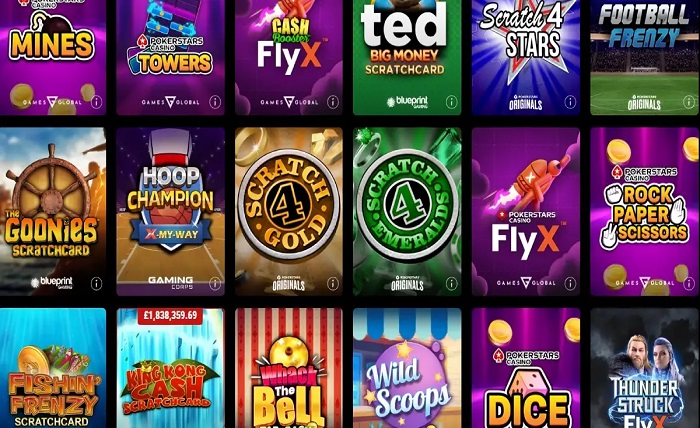
Right after a fast match, instant play games can feel like a short reset because the loop is compact – tap, watch, result, done. That shape is the main advantage. Instant games are built around quick entry and short rounds, which makes them easier to fit into the gaps that gamers already have. A short queue. A break between games. A few minutes before leaving the house. The format works when it doesn’t demand a long setup or a big learning curve.
This is also where a dedicated instant-games hub is useful. Instead of hopping through scattered links, a single category page keeps choices in one place and reduces friction. The instant-games service page on slot-desi.com is organized around that idea. It groups quick-play options so the browsing path stays simple. For a gamer used to quick menus and direct actions, that structure feels familiar. It also supports control. A short round with a clear endpoint makes it easier to stop on purpose, not by accident.
Slots are about rhythm, not reflex
Slots may initially appear to be “just a spin,” but there may be an emphasis on rhythm. Visual indicators, audio loops, and feature triggers come together to generate a pace that might be calming to some but annoying to others. This game can extend itself, unlike instant games, as one spin leads directly to another. The focus requirement is lower than that of a competitive shooter match. Reaction time matters less. What matters more is attention management.
A slot session fits best when there’s time to settle into the rhythm and when stopping points are planned. Without that, a player can drift from “one quick spin” into a longer run without noticing. That drift is not about skill. It’s about how repetition works on a brain that is already tired from high-focus gameplay. A good self-check is simple – if the goal is to calm down after a fast match, a slower rhythm can help. If the goal is to fill a tiny gap, the slot loop may be too sticky compared to a short instant round.
Live tables add pacing and pressure in the same package
Live table games change the feel because a dealer and the table flow control the timing. That introduces natural pauses between actions. Those pauses can be helpful for control, since the format is less rapid than instant rounds. At the same time, live tables can raise pressure. The pace is not fully owned by the player. The social atmosphere makes choices feel more “public,” even in a digital setting.
For gamers, this can cut two ways. Players who like structured timing and a slower cadence may enjoy it. Players who want low-pressure downtime may find the format heavier than expected, especially after competitive play. Reaction time is usually not the main requirement. The main requirement is steady attention and comfort with a round that unfolds at its own pace.
A quick way to match format to focus and reaction time
The best pick usually comes from the current mental state, not from a favorite category. After a long gaming session, focus can be sharp or drained. Reaction time can feel snappy or dull. A short check helps decide which format fits without second-guessing:
- Time window – under 10 minutes, 10 to 25, or open-ended.
- Focus level – fresh, neutral, or worn out.
- Need for control – easy stop versus “go with the flow” pacing.
- Sensitivity to repetition – relaxing rhythm versus drift risk.
- Comfort with pressure – private play versus a socially paced table feel.
This points many gamers toward instant formats during short gaps, slots during longer chill time, and live tables when slower pacing and structure feel appealing.
A calmer loop is a better break
A good break does not compete with the main game. It supports recovery. Instant games do that well when the round is short and the exit is clean. Slots can work when the rhythm is welcome and the session has a planned end. Live tables can fit when structure and pacing feel comfortable instead of demanding. For pubgnamestyle.in readers who already juggle fast gameplay, queues, and short mobile moments, the smartest move is to keep downtime predictable.
A practical next step is simple. Pick one format for a specific time window and stop when the window ends. If the goal is a quick reset, use an instant-games category page that keeps options organized and entry friction low. Slot-desi’s instant-games section is one example of a structured hub that makes quick rounds easier to reach without bouncing through random links. The best outcome is not a longer session. The best outcome is a break that ends on time and leaves focus ready for the next match.