In an age where communication is instant and constant, it seems paradoxical that so many of our most profound thoughts and feelings remain forever unspoken. We draft messages we never send, compose letters we never mail, and whisper confessions into the void of our own minds. This is the space where The Unsent Project lives—a place that has given a voice to the millions of words we have left unsaid. Born from a personal quest to understand how we perceive love, The Unsent Project has grown into a global phenomenon, a digital canvas where anonymous contributors paint their deepest emotions through the medium of unsent text messages. The Unsent Project stands as a testament to the power of vulnerability, a place where the words we couldn’t say aloud find a home, connecting us through our shared, unspoken experiences. It is more than just a website; it is a cultural artifact, a massive emotional archive, and a mirror reflecting our collective humanity.
The Genesis of The Unsent Project: From a Tumblr Experiment to a Global Archive
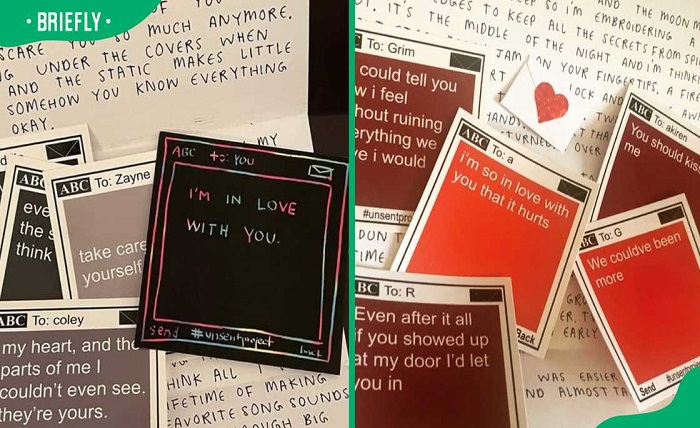
The story of The Unsent Project begins not with a grand plan, but with a simple, deeply personal question. In 2015, artist Rora Blue was processing their own feelings about their first love. They wondered about the nature of love and the colors people associated with it, and they sought to connect with others to explore this abstract concept. The Unsent Project was initially a small experiment on Tumblr, a call to their followers to state the name of their first love, write a text they wish they had sent, and include the color they associated with that person.
What started as a personal quest quickly resonated with a vast audience. The responses poured in, transforming from a trickle to a flood. People from around the world, from all walks of life, were eager to share their unsent messages. Rora Blue, who identifies as a queer, disabled, and gender-minority artist, had inadvertently tapped into a universal well of human emotion. The Unsent Project gave them a platform to express what they couldn’t in their day-to-day lives. Initially, Blue printed out each submission, creating physical collages. However, as the project grew exponentially, this became impossible, leading to the launch of the official The Unsent Project website in 2019. The Unsent Project evolved from a personal Tumblr page into a vast, publicly accessible digital archive, preserving hundreds of thousands—and eventually millions—of emotional confessions.
The Mechanics of The Unsent Project: A User-Friendly Platform for Emotional Release
At its core, The Unsent Project is a remarkably simple yet profoundly effective platform. The website serves as a digital sanctuary where anyone can anonymously share a message they never sent. The process is straightforward, ensuring accessibility and encouraging participation. Users are prompted with three simple fields: the name of the recipient, the text of the message, and a color that represents their emotion. This structure, while simple, is the key to the project’s power, turning raw emotion into a form of art.
The search and discovery functionality is what has made The Unsent Project a viral sensation, particularly on platforms like TikTok. The “Archive” section of the website allows users to search for messages, primarily by a name. You can type in a name—perhaps a past love, an old friend, or even your own—and the site will display all the unsent messages submitted to that person. This feature is the source of both great curiosity and emotional turmoil, as people discover anonymous confessions they may never have known existed. The Unsent Project’s color-coding system, however, is its most unique feature. By selecting a color for their message, users contribute to a visual language of emotion, allowing visitors to filter messages by color and explore the collective emotional weight associated with each hue.
The Psychology of Color in The Unsent Project: What Your Color Choice Says
One of the most fascinating aspects of The Unsent Project is the integration of color psychology. This element, central to Rora Blue’s artistic vision, transforms the project from a simple archive into a profound exploration of human consciousness. Blue’s initial curiosity was driven by a desire to understand if humans share a collective emotional experience of color. The Unsent Project serves as a massive, ongoing experiment to answer that question.
By requiring users to assign a color to their unsent message, The Unsent Project creates a powerful visual representation of their emotional state. The color is often the first thing viewers notice, setting a tone before a single word is read. Common color associations have emerged from the vast archive. Blue is a recurring theme, often linked to feelings of longing, sadness, or a less intense emotional situation. Red, however, is associated with intense love, passion, and anger. Pink often represents the pain of trying your best and failing, while Yellow can denote loss. Black is tied to despair, White to emptiness, and Purple to a painful but ultimately positive experience. The Unsent Project shows that our emotional responses to color appear to be more collective than individual, revealing patterns in how we, as humans, visually code our feelings. This visual tagging allows viewers to connect with a shared emotional language that transcends the written word, providing a deeper, more intuitive understanding of the messages on display.
The Unspoken Words: Exploring the Raw, Emotional Content of The Unsent Project
The true heart of The Unsent Project lies in the messages themselves. They are raw, unfiltered, and often painfully honest. The archive holds a vast spectrum of human emotion, ranging from heartbreakingly sad to surprisingly empowering. The Unsent Project offers a unique and deeply intimate look into the private thoughts of strangers, creating a powerful sense of solidarity for those who have experienced similar feelings.
Many of the messages are the classic, unrequited confessions of love for a first love—the “one who got away.” They are filled with longing, regret, and the pain of words left unspoken. Some messages, however, are angry, a final, anonymous “send” to someone who caused pain. Others are nostalgic, revisiting a memory and offering a quiet thank you or a gentle apology. The range of recipients is as diverse as the emotions, with messages directed not just to first loves, but to “best friends, exes, parents, siblings, and even pets”. The Unsent Project encapsulates the complexity of human relationships, creating a digital mosaic of joy, sorrow, and everything in between. The anonymity of the platform encourages a level of honesty that is rarely possible in real life, allowing people to confront and release feelings they may have harbored for years.
The Viral Impact of The Unsent Project: From TikTok Trend to Millions of Submissions
The Unsent Project has achieved a level of cultural penetration far beyond what its creator could have imagined. Its growth has been fueled by a combination of word-of-mouth and viral social media trends, most notably on TikTok. The viral trend involved users creating videos of themselves searching for their own name on The Unsent Project, often with dramatic and emotional reactions to finding a message that seemed to be meant for them. This created a massive feedback loop: the more people saw the videos, the more they visited the site, submitted messages, and searched for their own names.
This explosion of interest led to a staggering number of submissions. By early 2022, the archive had grown to over 500,000 unsent text messages. More recently, that number has swelled to over 5 million messages. The Unsent Project has become a digital monument to our collective emotional lives. The sheer volume of submissions, which continues to grow by hundreds daily, highlights how deeply the concept resonates with people worldwide. The project has also spawned unofficial apps and spinoffs, further cementing its place in the cultural zeitgeist. The Unsent Project’s success demonstrates a powerful human need for a space to express unspoken emotions, especially in an era of curated social media personas.
Rora Blue: The Visionary Behind The Unsent Project and the Value of Vulnerability
At the center of this expansive digital canvas is its creator, Rora Blue. An American visual artist, fashion designer, and model whose work explores themes of sexuality, gender, and disability, Blue’s art is deeply rooted in the everyday experiences of being “multiply marginalized”. For Blue, The Unsent Project, along with other projects like “After the Beep” (a voicemail archive), is a form of emotional processing and a way to connect with others. They have stated the project “came out of a place of processing my own experience with my first love”.
Blue’s vision was to create a “space where they could express themselves anonymously,” a goal that has been overwhelmingly achieved. The Unsent Project is not just about the messages; it’s a form of interactive, text-based art. As a “New Genres” artist, Blue works across mediums, and The Unsent Project itself is a living, breathing artwork that changes daily with each new submission. The use of color, the anonymity, and the compilation of so many personal narratives transform raw human emotion into a cohesive and powerful statement about love and loss. The Unsent Project is a testament to the value of vulnerability and the healing power of creative expression. Blue’s work has been recognized with awards like the VSA Emerging Young Artist Award, solidifying their place as an important contemporary artist.
Conclusion
The Unsent Project has become far more than a website or a digital archive. It is a profound cultural phenomenon that has provided a voice for the millions of words we have left unsaid. By transforming anonymous, unspoken confessions into a public, color-coded tapestry of human emotion, The Unsent Project has created a space for connection, healing, and understanding. It is a mirror to our own hearts, reflecting the universal experiences of love, regret, and longing that define the human condition. The Unsent Project reminds us that in a world where we are constantly connected, our most profound connections are often found in the vulnerability of our silences. It is a beautiful and haunting testament to the power of unexpressed feelings, proving that even what we cannot send can still be powerfully felt.
FAQs
1. What exactly is The Unsent Project?
The Unsent Project is a digital art initiative and online archive that collects and displays anonymous unsent text messages, primarily written to first loves. Founded by artist Rora Blue in 2015, the project allows users to submit a message, a recipient’s name, and a color representing their emotion. The goal is to explore the connection between color and human emotion while providing an emotional outlet for those with unspoken words.
2. Is The Unsent Project anonymous and safe to use?
Yes, submissions to The Unsent Project are completely anonymous. The website does not collect or store any personally identifying information from its users. This privacy is a core feature that encourages honest and vulnerable expressions. However, it is a public archive, so any message you submit will be visible to anyone who visits the site. It is generally considered a safe platform for emotional expression.
3. Can I search for my own name on The Unsent Project?
Yes, the website has a search function in the “Archive” section where you can enter a name to find all messages submitted to that person. This is a popular feature, often used by people to see if anyone has written an unsent message to them. It is important to remember that if you find a message with your name, it was likely not intended for you personally, as many people share the same name.
4. How do I submit my own unsent message to the project?
Submitting a message is simple. Visit the official The Unsent Project website and click on the “Submit” tab. You will be prompted to enter the name of the person the message is for, type your message, and select a color that represents your feelings. Once you agree to the terms, your message will be published to the archive anonymously.
5. Can I delete a message I submitted to The Unsent Project?
No, there is currently no option for users to delete a message after it has been submitted to The Unsent Project. Once a message is published, it becomes a permanent part of the digital archive. This policy underscores the permanent and impactful nature of the words we leave unspoken and encourages users to be thoughtful before submitting.